Choosing the China Best Electric Diffuser Oil Concentrate Supplier? This question deserves more than a low-price comparison. A dependable supplier should demonstrate formulation knowledge, manufacturing experience, and transparent quality controls. Electric Diffuser Oil Concentrate must perform consistently in real devices, not only in a polished product sample.
Look for batch-specific documents, including safety data sheets, ingredient disclosures, and suitable laboratory test results. Gas chromatography–mass spectrometry testing can help verify aromatic composition, although it does not answer every safety question. Ask whether the concentrate has been tested with ultrasonic, nebulizing, or heat-based diffusers. Viscosity matters. So does residue. A thick formula may leave a film around a small ceramic plate.
Robert Tisserand, a respected essential-oil safety educator, has repeatedly emphasized, “The dose makes the poison.” This principle applies to concentrated diffuser products. A professional supplier should explain dilution guidance, material compatibility, storage conditions, and clear labeling. It should also distinguish fragrance blends from essential-oil-based formulas. That distinction is sometimes blurred.
Factory visits, production records, and responsive technical support provide stronger evidence than attractive websites. Reliable companies should welcome reasonable questions about sourcing, filling accuracy, stability testing, and complaint handling. Yet no supplier is perfect. Even experienced manufacturers can face seasonal raw-material changes or packaging problems. That is why independent verification remains important.
The best choice may not be the cheapest factory or the largest exporter. It is the supplier that communicates limitations honestly, improves after feedback, and delivers repeatable Electric Diffuser Oil Concentrate quality. Small details often reveal the real standard.
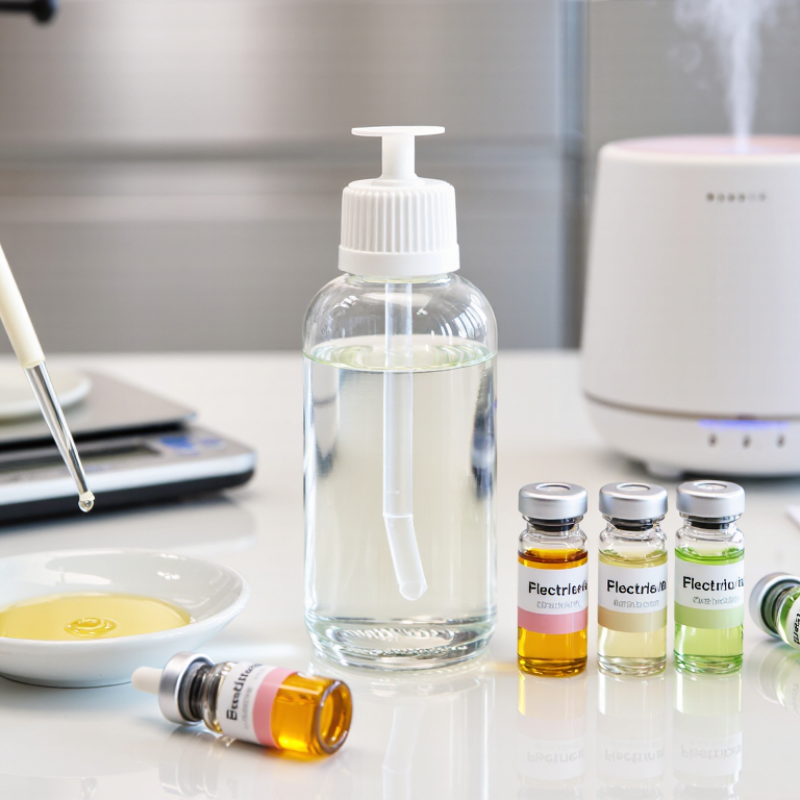
What Makes a China Electric Diffuser Oil Concentrate Supplier “Best”?
What makes a China electric diffuser oil concentrate supplier “best” is not the lowest quotation.
It is controlled quality, technical evidence, and dependable communication. Grand View Research estimated the global aromatherapy market at about USD 7.1 billion in 2023. This growth increases pressure on suppliers to deliver consistent formulations, not attractive samples alone.
An experienced supplier should explain oil compatibility for ultrasonic, heat-free, and waterless diffuser systems. Viscosity, fragrance stability, residue, and electrical-device compatibility require practical testing. Ask for batch numbers, ingredient specifications, allergen statements, and stability results. The International Fragrance Association Standards also provide an important safety reference for fragrance materials. A reliable factory should understand these standards and explain their limits clearly. Vague promises are warning signs.
Production details matter. Look for calibrated filling equipment, retained samples, sealed packaging, and documented quality checks. Small differences in concentration can change room coverage and user experience. In my experience, a supplier that answers technical questions with test records is more trustworthy than one offering endless scent options. A low price still attracts buyers. That is not enough. Some suppliers may pass basic inspection yet lack long-term stability data. This gap deserves honest discussion. Request independent laboratory testing when the market or application requires stronger verification. Supplier performance should also be reviewed through pilot orders, leakage checks, delivery records, and customer feedback. The best partner is not perfect; it is transparent, responsive, and willing to correct weak points.
How IFRA 51st Amendment and SDS Standards Verify Formula Safety
China Best Electric Diffuser Oil Concentrate Supplier?
A reliable supplier should explain formula safety through documents, not attractive claims. In my experience, the review begins with the intended diffuser type, dilution rate, and exposure conditions. Electric diffusers can release fragrance into enclosed rooms, so inhalation and skin-contact risks need careful assessment. The IFRA 51st Amendment helps evaluate fragrance restrictions for specific product categories. However, an IFRA certificate does not prove that every finished product is safe. It confirms conformity for the fragrance composition under stated conditions. Local regulations still apply.
The SDS provides another essential checkpoint. It should follow the Globally Harmonized System and contain clear hazard information in its required sections. Check the product identifier, composition details, first-aid measures, handling instructions, storage guidance, and transport information. The supplier should also explain whether the SDS covers the concentrate or the final diluted formula. That difference matters. Very much.
Ask for a current IFRA conformity document, SDS, batch number, and recommended usage level. Compare the stated concentration with your actual diffuser design. A responsible supplier should answer specific questions without avoiding technical details. I also recommend testing a small batch for scent stability, leakage, and user instructions. A clean document can still miss practical problems. My own review is never perfect, so independent regulatory advice remains valuable when selling across different markets.
Which COA Data—GC-MS, Density, and Refractive Index—Confirm Quality?
When evaluating a China-based electric diffuser oil concentrate supplier, a COA offers more than attractive marketing language. It provides measurable evidence for batch consistency, ingredient screening, and manufacturing control.
Numbers need context.
GC-MS testing should show the main volatile compounds and their relative percentages. Compare the reported profile with the declared formula and previous batches. Unexpected peaks may indicate contamination, oxidation, or an undisclosed solvent. However, GC-MS does not prove quality alone. The report should include the testing method, sample code, laboratory details, and test date.
A copied spectrum is a warning sign.
Density and refractive index add useful physical checks. Density should be recorded at a stated temperature, commonly 20°C, because heat changes the reading. Refractive index also requires calibrated equipment and a clear testing condition. Small variations can occur naturally, but large differences deserve investigation.
That gap matters. Ask whether the supplier keeps retained samples from each production lot. Match the COA lot number with the drum label and purchase documents.
A perfect-looking COA is not enough; missing test conditions can weaken its value. In practice, buyers sometimes focus on GC-MS peaks and overlook basic traceability. That is an avoidable mistake. Independent confirmation may be worthwhile before approving a large order, especially when the concentrate will be used in different diffuser devices.
How ISO 9001, ISO 22716, and GMP Practices Assess Production Control
China Best Electric Diffuser Oil Concentrate Supplier?
Choosing a reliable Chinese electric diffuser oil concentrate supplier requires more than comparing prices. ISO 9001 shows whether the factory controls documents, purchasing, complaints, and corrective actions. Ask to see current certificates and their exact production scope. A certificate alone proves little.
ISO 22716
ISO 22716 matters when the concentrate supports cosmetic or personal-care applications. It examines hygiene, personnel training, material handling, batch records, and contamination controls. GMP practices should appear on the factory floor. Look for labeled raw-material drums, clean filling lines, calibrated scales, and sealed retention samples. Small details matter.
A practical audit should trace one batch from incoming materials to final shipment. Check supplier approval records, test reports, mixing times, filling weights, and release decisions. The factory should explain deviations without hiding them. Paperwork can still conceal weak daily habits. A supplier may pass one audit and drift later. I would also review stability data, packaging compatibility, and storage temperatures. These points are sometimes treated as minor, but they can affect scent consistency and device performance. ISO standards improve control, not perfection. Product suitability still depends on its intended use and applicable local requirements.
How MOQ, OEM Capability, Packaging Tests, and Export Records Compare Suppliers
China Best Electric Diffuser Oil Concentrate Supplier?
Choosing an electric diffuser oil concentrate supplier requires more than comparing fragrance lists. MOQ is a practical test of supplier flexibility. A low MOQ may reduce inventory risk, but it can increase unit cost and limit packaging options. Ask whether the MOQ applies to each scent, bottle size, or complete order. Request a written quotation with sampling, filling, and shipping costs included.
OEM capability should be checked through real samples, not promises. A reliable supplier can adjust fragrance strength, viscosity, color, and label details. Test the concentrate in your intended diffuser for several hours. Watch for clogging, excessive residue, uneven mist, or weakened fragrance. Suppliers should provide batch records, product specifications, SDS, and relevant compliance documents. Mistakes happen. The response to a failed sample matters more than a polished sales presentation.
Packaging tests reveal operational experience. Request evidence of drop tests, leak tests, cap-torque checks, and temperature-cycle testing. Glass bottles need protective inserts, while plastic packaging needs compatibility testing with oils. Packaging may pass in the factory and fail after a long shipment. Export records also deserve careful review. Ask for recent shipping documents, destination markets, product descriptions, and references that can be independently verified. Customs data may be incomplete, so it should not be treated as absolute proof. A supplier with fewer visible shipments may still be capable, but the missing evidence should remain part of your risk assessment.
This benchmark compares anonymous supplier profiles using common B2B sourcing criteria for electric diffuser oil concentrates. Lower MOQ, shorter OEM sampling time, broader packaging validation, and stronger export documentation generally indicate lower procurement risk.
Conclusion
Choosing the best China Electric Diffuser Oil Concentrate supplier requires more than comparing price and fragrance selection. A reliable supplier should demonstrate clear formula safety through IFRA 51st Amendment compliance, complete Safety Data Sheets, and transparent ingredient documentation. Quality can be further evaluated through COA data, including GC-MS profiles, density, and refractive index, which help confirm consistency between production batches. These records should be supported by controlled manufacturing procedures and effective quality management.
Supplier capability is also reflected in certifications and daily practices. ISO 9001, ISO 22716, and GMP-based controls can indicate organized production, hygiene management, traceability, and corrective action systems. Buyers should also compare minimum order quantities, OEM development support, filling and labeling options, packaging compatibility tests, and previous export experience. A supplier that communicates clearly, provides complete technical files, and maintains stable delivery performance is more likely to support long-term cooperation and consistent Electric Diffuser Oil Concentrate quality.