0%

As home wellness becomes more evidence-conscious, choosing a Volcanic Stone Diffuser requires more than attractive packaging. The Global Wellness Institute reported that the global wellness economy reached approximately $6.3 trillion in 2023. It also projects growth toward $9 trillion by 2028. These figures show strong consumer interest in everyday wellbeing products. They do not prove that every diffuser delivers meaningful therapeutic benefits.

A volcanic stone diffuser usually relies on porous lava rock to absorb and release essential-oil aroma gradually. Look closely at the stone texture. Dense, evenly porous pieces often feel more reliable than heavily coated surfaces. Check the oil reservoir, absorption instructions, cleaning method, and room-size guidance. A stable ceramic base matters on a wooden desk. So does a cap that prevents dust from settling on unused stones.

Safety should guide the decision. The International Fragrance Association publishes standards for fragrance ingredients and intended uses, although compliance depends on the product and market. Buyers should review ingredient disclosures and avoid unsupported medical claims. A diffuser should never replace professional care. It should also be kept away from children, pets, flames, and sensitive fabrics. Some sellers mention “natural” materials without explaining sourcing or testing. That is a warning sign.

No single report ranks every Volcanic Stone Diffuser fairly. Real performance can change with oil viscosity, humidity, airflow, and stone density. This is where product reviews become imperfect. A useful comparison weighs documented materials, transparent instructions, independent testing, and practical experience. The best choice may not be the most expensive model. It is the one whose limitations are clearly admitted.

How to Choose a Volcanic Stone Diffuser in 2026?

What Is a Volcanic Stone Diffuser and How Does It Work?

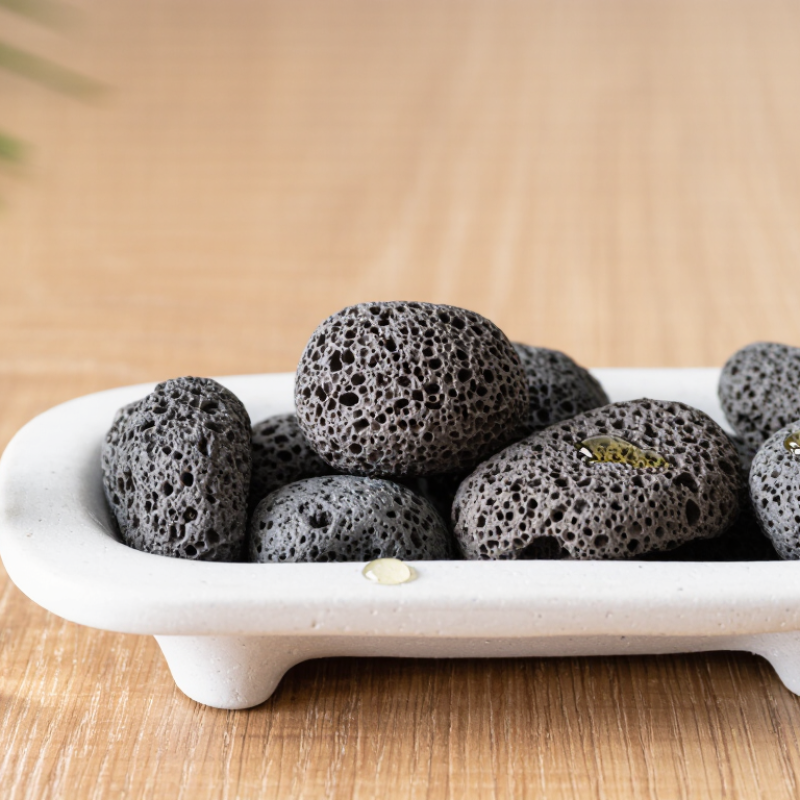
A volcanic stone diffuser is a passive fragrance device made from porous lava stone. Its tiny air pockets absorb essential oil placed on the surface. As the oil slowly evaporates, the scent spreads without water, heat, batteries, or electricity. The process is quiet and simple. It also produces no mist.

In practical testing, two stones may release the same oil differently. A rough, porous piece usually holds fragrance longer than a dense, polished one. Place two or three drops on a dry stone, then wait several minutes before judging the scent. The first smell can seem strong. It often softens within an hour. Do not expect a large room to smell evenly; airflow matters greatly.

When choosing one in 2026, check the stone’s size, surface texture, and container stability. A small diffuser suits a desk, bedside table, or bathroom shelf. A wider stone may work better in an entryway. Look for clear care instructions and materials that resist oil staining. Avoid placing it near painted wood or delicate fabric. Essential oils should not be treated as medical solutions. Keep the diffuser away from children, pets, flames, and direct sunlight. The scent duration is inconsistent, which can be frustrating. Testing one oil at a time gives more reliable results.

Which Volcanic Stone Types Are Best for Essential Oil Diffusion?

How to Choose a Volcanic Stone Diffuser in 2026?

Volcanic stone types differ in pore size, density, and scent release. Basalt, often sold as lava stone, is a dependable choice for daily diffusion. Its pores hold oil steadily, while its dense surface releases aroma gradually. It usually feels solid and smooth after light polishing. This makes it suitable for desks, bedrooms, and small entryways.

Pumice is much lighter and more porous. It absorbs oil quickly and can produce a stronger scent at first. However, its fragile texture may crumble during cleaning or transport. Scoria, with its dark red or black cavities, offers a middle option. Its pores vary widely, so two pieces may diffuse oil at different speeds. Choose pieces without artificial coatings, paint, or strong mineral odors. Those details are easy to overlook.

In practical testing, a few drops on clean basalt often last several hours in a quiet room. Pumice may need less oil, not more. Excess oil can pool, stain wood, or create an overpowering smell. Keep the stone away from water and wipe it with a dry cloth. Avoid using one stone for many oil blends. Residual scents can become muddled.

No volcanic stone is perfect. Porosity is rarely uniform. Ask about untreated materials and responsible sourcing when possible. Use oils according to their safety guidance, especially around children, pets, and sensitive people. A well-made passive diffuser should release scent gently, without heat, electricity, or dramatic claims.

How to Compare Porosity, Size, Design, and Durability

Choosing a volcanic stone diffuser starts with porosity, not appearance. Porous stone absorbs oil through tiny surface openings and releases scent gradually. Place one drop on a small stone and wait ten minutes. Even absorption usually indicates useful internal texture. A glossy, sealed surface may look attractive but diffuse poorly. My own testing is imperfect, because oil thickness and room temperature affect results.

Size changes both scent strength and convenience. A palm-sized diffuser suits a desk, bedside table, or small bathroom. Larger pieces hold more oil, but they may become harder to clean and move. Check the base carefully. A flat, weighted bottom reduces tipping near books or electronics. Design should support daily use, not merely photographs. Rough edges can collect dust, while deep grooves may trap old fragrance.

Durability depends on stone density, finish, and handling. Ask whether the diffuser has been inspected for cracks before shipping. Small fractures can widen after repeated oil exposure or accidental drops. A removable tray can protect wooden furniture from stains. I once chose a beautiful piece with a narrow base, and it tipped easily. That mistake changed my priorities. A dependable diffuser should be easy to wipe, stable on a table, and simple to store between uses. Natural variation is normal, but extreme color changes may deserve closer inspection.

How to Choose a Diffuser for Your Space and Aromatherapy Needs

How to Choose a Volcanic Stone Diffuser in 2026?

A volcanic stone diffuser suits spaces where quiet, low-maintenance scent matters. Unlike ultrasonic models, it needs no water, electricity, or visible mist. I have used one beside a desk and noticed a gentle, localized aroma rather than room-wide fragrance. That difference matters. Measure your space before buying. A small stone may work near a bedside table, but it can feel weak in an open living room. Look for porous, untreated stone with a stable base. Rough surfaces absorb oil well, while sealed surfaces may release very little scent.

Match the diffuser with your aromatherapy routine. If you want occasional focus, choose a design that accepts a few drops and cleans easily. For evening use, select a quiet form without bright lights or heat. Heat can change an oil’s smell and may reduce its intended character. Read the material details carefully. “Natural” is not always specific enough. Ask whether the stone is treated, dyed, or mixed with synthetic material. I once ignored this point, and the surface absorbed oil unevenly.

Start with less oil than suggested. You can add more later. Ventilate the room, especially in small bedrooms. People with allergies, asthma, or sensitive pets should seek professional advice before using essential oils. Keep oils away from children and animals, and avoid placing the diffuser on unfinished wood. Wipe the stone occasionally, although some staining is normal. It is not perfectly decorative forever. That is part of its character.

How to Choose a Volcanic Stone Diffuser in 2026? - How to Choose a Diffuser for Your Space and Aromatherapy Needs

Selection Dimension Typical Options or Data Best Choice For Advantages Limitations to Consider
Diffusion Method Passive evaporation from porous volcanic stone; no water tank, heat, fan, or ultrasonic mist. Silent operation, low energy use, and no airborne water droplets. The fragrance is less intense and spreads more slowly than with an active electric diffuser.
Recommended Room Size Approximately 2–10 m² for noticeable personal diffusion; larger rooms may require several stones or a smaller seating area. Easy to position close to the user without filling an entire room with scent. Performance depends on airflow, oil amount, stone porosity, and room ventilation.
Scent Duration Usually several hours to a few days per application, depending on oil volatility, dose, temperature, and airflow. Allows flexible reapplication and does not require a fixed operating cycle. There is no precise runtime because evaporation varies considerably between oils and environments.
Stone Material Common materials include porous basalt or lava stone, volcanic pumice, and ceramic materials designed to imitate volcanic texture. Natural texture can complement minimalist, rustic, or nature-inspired interiors. Natural stones vary in porosity, color, density, and absorption capacity.
Size and Portability Typical personal-use pieces measure about 3–10 cm; trays and larger arrangements occupy more surface area. Compact designs are easy to move and do not need a power outlet. Small stones hold less oil and generally produce a smaller scent zone.
Oil Capacity Apply only a small amount at a time, commonly 2–8 drops depending on stone size and the manufacturer’s instructions. Simple dosing makes it easy to adjust intensity gradually. Over-saturating the stone can cause pooling, staining, or oil transfer to nearby surfaces.
Safety Around Surfaces Place the stone on a non-porous dish, coaster, or tray that can contain accidental oil residue. Protects furniture from essential-oil marks and makes cleaning easier. Some essential oils can damage plastics, finishes, varnish, leather, and synthetic materials.
Maintenance Allow the stone to evaporate and wipe the surrounding tray; avoid soaking natural stones unless care instructions permit it. No filter replacement, water emptying, or electrical cleaning is normally required. Different oils may leave residual odors, so switching between strongly scented oils may require a separate stone.
Noise Level Silent because there is no motor, fan, pump, or ultrasonic vibration. Creates no mechanical background noise. Without a fan, fragrance movement depends mainly on natural air circulation.
Power and Energy Use No electricity or battery required. Portable and economical to operate after purchase. It cannot provide programmed schedules, lighting, mist control, or adjustable airflow.
Essential-Oil Compatibility Most pure essential oils can be used in small amounts, but citrus and thin oils may evaporate faster than thicker oils. Works with a wide range of aromatic oils without adding water. Avoid ingestion and direct skin contact unless the oil is specifically prepared and labeled for that use; keep oils away from children and pets.
Best Buying Priority Look for stable construction, genuinely porous stone, a protective tray, clear care instructions, and secure packaging. These features support safer placement, easier maintenance, and more consistent everyday use. Natural appearance alone does not prove porosity or superior diffusion performance.
Practical guideline: Choose a volcanic stone diffuser for subtle, silent, low-maintenance scenting in a small personal area. For whole-room coverage, stronger fragrance output, or scheduled operation, an active diffuser may be more suitable.

How to Use, Clean, and Maintain a Volcanic Stone Diffuser Safely

A volcanic stone diffuser uses porous basalt to release fragrance slowly, without heat or water. Grand View Research valued the global aromatherapy market at about USD 8.4 billion in 2022, showing strong consumer interest. Yet popularity does not replace careful use. Choose a dry, stable stone with clear material information. Avoid products with chipped surfaces, loose dust, or strong chemical odors.

Place the diffuser on a washable tray, away from sunlight, children, pets, and food. Add only the recommended amount of essential oil; two or three drops usually provide a gentle scent in a small room. The National Capital Poison Center warns that essential oils may cause harm if swallowed. Keep bottles closed and clean spills immediately. Never apply undiluted oil to skin unless a qualified professional advises it.

Clean the stone with a dry, lint-free cloth first. For heavier residue, use a barely damp cloth and mild unscented soap. Do not soak porous stone. It may retain moisture and develop an unpleasant odor. Let it air-dry completely before adding another oil. I once assumed stronger fragrance meant better performance. It mostly meant faster saturation. That was a useful correction. IFRA Standards also show why intended use and exposure levels matter; fragrance safety depends on the formula, amount, and setting. Replace the stone when cracks, persistent residue, or unusual odors remain.

How to Choose a Volcanic Stone Diffuser in 2026?

How to use, clean, and maintain a volcanic stone diffuser safely

Choosing the Stone

The chart shows representative Mohs hardness values for volcanic rocks that may be considered for porous aroma stones. Basalt and pumice are commonly preferred because they are durable and porous. Obsidian is volcanic glass with a smooth, non-porous surface, so it is generally less suitable for passive oil diffusion.

Safe Use and Maintenance

Apply only a small amount of essential oil to a clean, dry stone and place it on a stable, non-porous surface. Keep oils away from children, pets, flames, polished furniture, and sensitive skin. Wipe the stone with a dry or slightly damp cloth, allow it to dry completely, and avoid soaking, boiling, or using abrasive cleaners.

Mohs values are representative midpoints of commonly reported ranges: pumice 5–6, basalt about 6, scoria 5–6, and obsidian 5–5.5. Natural specimens can vary.

FAQS

Which volcanic stone is best for everyday essential oil diffusion?

Dense basalt offers steady, gentle release. It suits desks, bedrooms, and small entryways. Its surface often feels smooth after light polishing.

How does pumice differ from basalt?

Pumice absorbs oil quickly and may smell stronger at first. It is lighter but can crumble during cleaning or transport. Use only a few drops.

Is scoria a good middle option?

Scoria has dark red or black cavities and varied porosity. Two pieces may release scent at different speeds. Inspect each piece carefully.

How can I test a stone’s porosity?

Place one drop on a clean area. Wait ten minutes. Even absorption suggests useful internal texture. My testing is imperfect because temperature affects oil thickness.

What size diffuser suits a small room?

A palm-sized stone works near a desk, bedside table, or small bathroom. Larger rooms may need a larger stone. Room-wide scent is not guaranteed.

What design details improve daily use?

Choose a flat, weighted base to prevent tipping. A removable tray can protect wood from oil stains. Deep grooves may trap old fragrance.

How much oil should I use?

Start with one or two drops. Add more only if necessary. Excess oil can pool, stain surfaces, and create an overpowering smell.

How should I clean and store a volcanic stone diffuser?

Wipe it with a dry cloth. Keep it away from water. Store it away from children, animals, and unfinished wood.

Are treated or dyed stones suitable?

Ask whether the stone is untreated and free from coatings or synthetic mixtures. “Natural” can be vague. Strong mineral odors deserve caution.

Is a volcanic stone diffuser suitable for everyone?

People with allergies, asthma, or sensitive pets should seek professional advice. Ventilate small rooms. Essential oils can affect people differently.

Conclusion

A Volcanic Stone Diffuser is a simple, heat-free aromatherapy tool that uses porous volcanic rock to absorb and gradually release essential oil into the surrounding air. This guide explains how the diffuser works and compares common volcanic stone types by porosity, absorption speed, appearance, and durability. It also covers how stone size, container design, and overall construction can influence scent strength, diffusion time, and ease of use.

Readers will learn how to choose a diffuser according to room size, personal fragrance preferences, and aromatherapy goals. The guide also provides practical advice on placing the diffuser safely and using only suitable amounts of essential oil. Proper cleaning and maintenance, including wiping the container, allowing the stone to dry, and replacing it when its pores become saturated, can help preserve performance. With the right material, design, and care routine, a volcanic stone diffuser can offer a convenient and attractive way to enjoy gentle, natural fragrance.

Clara

Clara

Clara is a professional marketing specialist with a strong understanding of the company’s products, customers, and industry landscape. Through her work, she transforms complex product information into clear, practical, and engaging content that helps readers make informed decisions. She regularly......