Choosing a Signature Reed Diffuser 250ml is not simply a matter of selecting a beautiful bottle. It is a practical fragrance decision for bedrooms, entryways, bathrooms, and compact living spaces. The right diffuser should balance scent strength, room size, reed performance, and personal taste. A citrus blend may brighten a hallway, while sandalwood or amber can make a reading corner feel warmer.
Michael Edwards, fragrance author and creator of Fragrances of the World, has said, “There are no good or bad fragrances, only fragrances that suit or don’t suit you.” This principle matters when comparing a Signature Reed Diffuser 250ml. Read the fragrance notes carefully. Top notes appear quickly, but base notes remain around the room. Test a sample when possible. Smell it after several minutes, not only from the bottle.
Small details affect the experience. Place the diffuser away from direct sunlight, heaters, and open windows. Turn the reeds occasionally, but expect a stronger scent afterward. Six reeds may suit a large room, while three or four can prevent a small space from feeling crowded. Results vary.
That uncertainty deserves attention. A diffuser can smell elegant in a showroom yet feel too sweet at home. I have also found that decorative reeds do not always distribute fragrance evenly. This guide examines bottle design, oil quality, reed materials, longevity, safety, and room placement. It will help readers make a considered choice, even when the perfect scent requires a little trial and error.
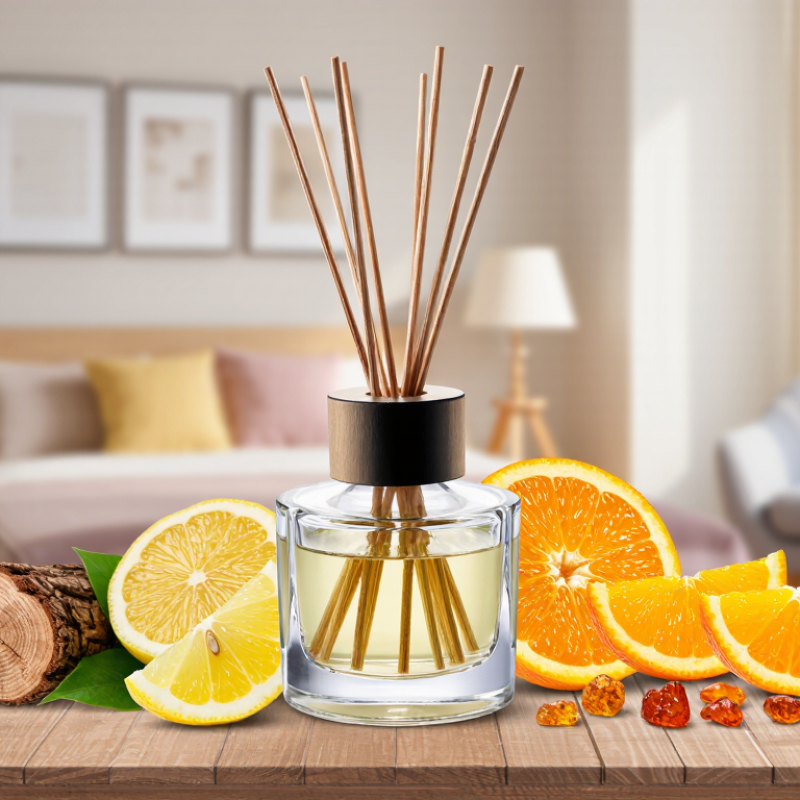
What Defines a Signature Reed Diffuser 250ml?
How to Choose a Signature Reed Diffuser 250ml?
A signature reed diffuser 250ml is defined by more than attractive packaging. It should create a recognizable scent identity for a room. The fragrance needs balance, with clear opening notes and a softer dry-down. It should smell present, not aggressive. Subtlety matters.
In practical testing, placement changes performance significantly. A 250ml diffuser may last several weeks, but airflow, temperature, and reed type affect its lifespan. A hallway can disperse fragrance quickly. A shaded bedroom may hold it longer. I usually begin with four reeds, then add more after twenty-four hours. This prevents an overly strong first impression. It should feel intentional.
Reliable quality also depends on the liquid and materials. The fragrance should remain stable without becoming cloudy or separating. Reeds should absorb evenly and release scent without constant dripping. A transparent ingredient description and clear safety guidance show responsible manufacturing. Keep the diffuser upright, away from heat, flames, children, and pets.
A signature scent should suit real habits, not only a scent strip. Test it near a doorway, desk, or reading chair. Notice how it changes after one hour and again the next morning. Some fragrances sound impressive at first, yet become tiring later. That is an important flaw to consider. A refined 250ml diffuser earns its place through consistency, comfort, and controlled diffusion.
How to Evaluate Scent Strength and Diffusion Performance
How to Choose a Signature Reed Diffuser 250ml?
Scent strength is not measured by oil volume alone. Reed material, room temperature, airflow, and fragrance viscosity all affect diffusion. The Business Research Company’s 2024 Air Freshener Global Market Report valued the category at over 12 billion US dollars in 2023, showing strong demand for measurable home fragrance performance. However, market growth does not guarantee consistent scent quality.
For a 250ml diffuser, test the fragrance in a controlled room before judging it. Use the recommended number of reeds, then record the scent after 2, 24, and 72 hours. ASTM E544-18 provides a sensory framework for comparing odor intensity, although it was not created specifically for reed diffusers. A practical check is simple: stand one meter away, leave the room for ten minutes, and return. Can you notice the scent without feeling overwhelmed?
Watch the liquid level, too. A faster drop may indicate stronger evaporation, but not always better diffusion. High heat can exaggerate performance. I once preferred a powerful opening scent, then found it tiring by evening. That judgment needed more time. Smell is personal. Ask two or three people to score strength from one to five, while noting room size and ventilation. A balanced 250ml diffuser should create a clear scent zone, not an aggressive cloud. Thin reeds may diffuse gently; thicker reeds can increase output, but they may shorten service life. Measure before guessing.
How to Use and Maintain a 250ml Reed Diffuser Properly
How to Choose a Signature Reed Diffuser 250ml?
A 250ml reed diffuser suits a bedroom, hallway, or compact living room. Grand View Research valued the global home fragrance market at approximately US$13 billion in 2023. Its report also forecasts continued growth through 2030, showing stronger interest in everyday scenting. Choose a fragrance that matches the room’s airflow. Citrus and green notes feel lighter. Woods and amber usually smell fuller. Check the ingredient information and the supplier’s IFRA conformity documentation. It supports safer, more responsible product selection.
Place the diffuser on a stable tray, away from direct sunlight, heaters, children, and pets. Heat and airflow can consume the oil faster. Start with six to eight reeds, then adjust after two days. More reeds create stronger scent but shorten the product’s life. A 250ml diffuser often lasts eight to twelve weeks, although room temperature changes that result. Turn the reeds every five to seven days with a tissue or gloves. Do not turn them too often. I once over-rotated mine and stained a wooden shelf.
Wipe the bottle neck regularly. Dust can block the reeds’ absorption. Replace dry or clogged reeds instead of washing them. If oil spills, clean it immediately with a suitable detergent. Keep the liquid away from painted, polished, or plastic surfaces. Fortune Business Insights also reports steady growth in the home fragrance sector, but market demand does not remove basic care requirements. Ventilation matters. A pleasant room should not feel heavy. My own mistake was assuming a stronger scent meant better maintenance. It usually meant too many reeds.
How to Choose a Signature Reed Diffuser 250ml?
How to Use and Maintain a 250ml Reed Diffuser Properly
A 250ml reed diffuser commonly lasts about 30–90 days, depending on room size, airflow, temperature, and the number of reeds used. For balanced performance, place it away from direct sunlight and strong drafts, turn the reeds about once a week, and replace saturated or dusty reeds when the fragrance becomes weaker.
The chart shows practical estimated fragrance duration under typical indoor conditions. Actual results vary with liquid formula, reed material, humidity, and ventilation.
Conclusion
Choosing the right Signature Reed Diffuser 250ml begins with understanding its balance of fragrance quality, capacity, and lasting performance. Consider how the diffuser fits your space, whether it is intended for a bedroom, living room, office, or entryway. Fragrance families such as floral, citrus, woody, fresh, or gourmand can create different moods, so select a scent that complements the room’s purpose and atmosphere. It is also important to evaluate scent strength, oil consistency, reed absorption, and how evenly the fragrance spreads without becoming overwhelming.
Design and materials should match your interior style while offering stability and durability. A suitable bottle, secure opening, quality reeds, and clear usage guidance can improve both appearance and safety. To use a Signature Reed Diffuser 250ml properly, place it on a stable surface away from heat, direct sunlight, children, and pets. Turn the reeds occasionally to refresh the aroma, wipe spills promptly, and replace the reeds when diffusion becomes weak. Proper maintenance helps preserve fragrance performance and extend the diffuser’s useful life.