Engineered Olfactory Systems & Premium Scent Consumables
Direct from leading China OEM/ODM manufacturing facilities: Commercial HVAC scent machines, cold-air nebulizers, eco-friendly soy wax media, and high-performance fragrance formulations.
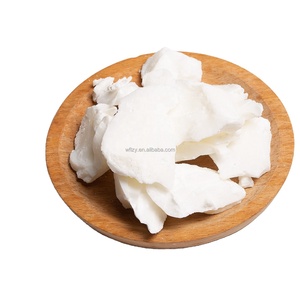
Wholesale Natural Soy Wax Blocks for Commercial Scent Diffuser Mediums
100% pure botanical soy wax blocks designed for clean-burning luxury candle production and solid scent matrix diffusion. Superior oil retention up to 12% fragrance load.
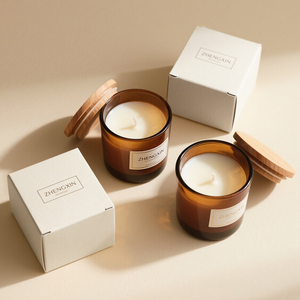
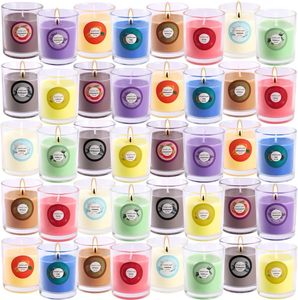
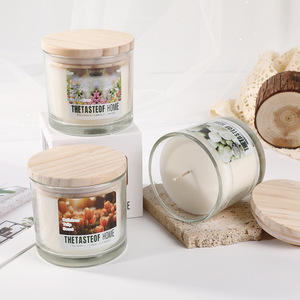
Luxury 130g Glass Jar Ambient Fragrance & Scented Candle Vessels
Precision-poured mineral and vegetable wax blends in high-durability thermal glass jars. Customized scent notes crafted for boutique hotel lobbies and executive suites.
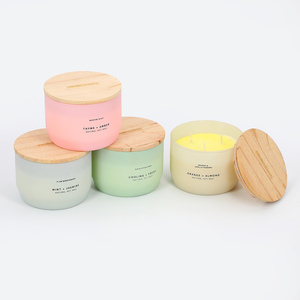
Eco-Friendly Soy Wax Bulk for Zero-Paraffin Diffusion Formulations
Sustainable, pesticide-free soy wax raw material with low melting points designed specifically for clean atomization, thermal diffusion, and eco-certified packaging.
In the modern commercial landscape, olfactory branding has evolved from a subtle decor enhancement into a core strategic driver of customer retention, brand recognition, and environmental wellness. Whether outfitting international luxury hotel chains, high-traffic retail centers, wellness spas, or automotive showrooms, global procurement managers face complex technical challenges. Selecting the right China scent machine manufacturer or supplier requires a thorough evaluation of fluid dynamics engineering, micro-atomization technology, air handler (HVAC) integration capabilities, and strict global chemical safety compliance.
Information Gain Key Insight: Unlike standard ultrasonic or thermal humidifiers that vaporize fragrance using water or heat (destroying delicate top-note aromatic compounds), professional-grade commercial scent machines leverage Twin-Fluid Cold-Air Nebulization Technology. This process atomizes pure essential oil concentrates into dry, sub-micron droplets (<1 micrometer in diameter) that remain suspended in air currents indefinitely without leaving oily residues on furniture, HVAC ductwork, or interior surfaces.
1. Technical Architecture of Industrial & Commercial Scent Machines
When evaluating Chinese scent delivery hardware, engineering teams must scrutinize the internal fluid compression mechanics, pump durability ratings, and control board precision. Leading OEM manufacturers specialize in three primary physical deployment formats:
HVAC Integrated Central Scent Systems
Designed for large volume spaces ranging from 2,000 to 15,000 cubic meters. Connected directly to central Air Handling Units (AHU) or supply air ducts using high-pressure Venturi nozzles, ensuring uniform dispersion across entire multi-story buildings.
Standalone High-Volume Tower Nebulizers
Equipped with ultra-quiet German-engineered electromagnetic air pumps (operating below 35dBA). These sleek aluminum alloy towers scent flagship retail zones and hotel lobbies up to 3,000 cubic meters without requiring structural duct alterations.
IoT Smart App & Cloud-Controlled Units
Modern commercial units feature integrated Bluetooth, Wi-Fi, and RS485 Modbus connectivity. Facility engineers can remotely schedule diffusion intensity, set operational hours, and monitor oil consumption levels across global property portfolios.
2. The Science of Cold-Air Micro-Nebulization vs. Thermal & Ultrasonic Methods
To assist technical procurement directors in making informed decisions, the following matrix compares the physical parameters of modern commercial scenting technologies:
Performance Metric
Cold-Air Nebulization (Professional Standard)
Ultrasonic Water Diffusers
Thermal / Evaporative Heating
Particle Size Dispersed
0.01 to 0.8 Micrometers (Dry Aerosol)
5.0 to 10.0 Micrometers (Wet Mist)
Variable Gaseous Vapor
Fragrance Integrity Preservation
100% (Zero heat or chemical alteration)
Moderate (Diluted by water molecules)
Low (Heat degrades top floral & citrus notes)
Residue & Condensation Risk
Zero residue on surfaces or HVAC ducts
High moisture accumulation; mold risk
Heavy oily buildup around heating element
Max Coverage Capacity
Up to 15,000 m³ per system
150 m³ max per unit
50 m³ max per unit
Consumable Efficiency
Ultra-low oil consumption (0.5 to 3ml/hr)
Requires frequent water refills
Rapid thermal evaporation rate
3. Global Chemical Safety, Regulatory dossier & Eco-Certifications
A major distinction between top-tier Chinese manufacturers and low-cost suppliers lies in regulatory documentation. Commercial scenting involves dispersed airborne volatile organic compounds (VOCs); therefore, every oil formulation and diffuser medium must be fully certified for public health and safety before deployment in commercial real estate.
Leading manufacturing ateliers adhere to strict international standards:
IFRA Conformity Standards: Compliance with the International Fragrance Association (51st Amendment) guidelines restricting potential skin sensitizers and respiratory irritants.
CLP & GHS Regulation (EC 1272/2008): Full safety data sheets (SDS), safety pictograms, and mandatory allergen disclosures for all European Union and North American retail distribution.
Zero-Paraffin & Eco-Conscious Waxes: Utilizing 100% pure soy, mineral-vegetable wax matrices, lead-free cotton wicks, and sustainably harvested wood wicks to guarantee zero toxic soot emissions.
CPSR & CPNP Notifications: Cosmetic Product Safety Reports registered on the European Cosmetic Product Notification Portal for dual-use body care and ambient mist lines.
As smart building management systems (BMS) become standardized globally, scent machine procurement is shifting rapidly towards integrated automation and zero-carbon environmental footprints.
BMS & BACnet Integration
Future-ready scent hardware now interfaces directly with Honeywell, Siemens, and Schneider Electric building management networks via BACnet protocols, adjusting scent output based on real-time foot traffic sensors and air exchange rates.
Bio-Based & Upcycled Aromatics
Procurement mandates increasingly demand green-chemistry carrier solvents (such as bio-derived DPM or water-soluble natural esters) combined with upcycled botanical essential oils harvested via eco-friendly distillation.
Hybrid Solid & Liquid Diffusion
Cross-category venues are adopting dual scent strategies: automated cold-air atomizers for expansive open corridors paired with hand-poured botanical wax sculptures and reed diffusers for intimate VIP quarters.
Why Partner With Our China Manufacturing Atelier?
Combining state-of-the-art automated assembly lines, in-house scent blending laboratories, and European quality control standards.
Custom OEM / ODM White Labeling
From custom aluminum anodization colors and bespoke vessel tooling to bespoke fragrance accord development by master perfumers, we provide turn-key private label solutions tailored to your brand identity.
Rigorous 100% Batch Traceability
Every single scent machine pump undergoes a continuous 48-hour pressure endurance test, while every oil batch is verified via Gas Chromatography-Mass Spectrometry (GC-MS) to guarantee consistent scent throw.
Flexible Low-MOQ Pilot Production
We empower boutique brands, interior design studios, and regional distributors by supporting low Minimum Order Quantity (MOQ) pilot runs before committing to full commercial mass manufacturing.
Frequently Asked Procurement Questions (FAQ)
Crucial commercial and technical queries answered by our senior engineering team.
How do I calculate the required scent machine capacity for my commercial space?
Capacity is calculated using total cubic volume (Length × Width × Ceiling Height in meters), combined with the building's Air Change Per Hour (ACH) rate. For instance, a 1,000m² hotel lobby with a 4m ceiling has a 4,000m³ volume. An HVAC system running at normal turnover would require a cold-air nebulizer rated for at least 5,000m³ to maintain consistent fragrance intensity.
Are essential oils used in HVAC scent machines safe for ductwork and electronics?
Yes, provided cold-air sub-micron atomization is used. Because the micro-droplets are smaller than 1 micrometer, they exhibit dry aerosol behavior—meaning they bounce off duct walls and electronic components without condensing into liquid drops or leaving oily deposits inside the HVAC system.
What is the typical lead time for OEM white-label scent machine manufacturing in China?
Standard white-label customization (laser engraving logo, custom packaging box, pre-set app parameters) takes 10 to 15 business days. Full ODM development involving custom injection molds, aluminum housing machining, and proprietary circuit board firmware typically requires 35 to 45 days from prototype approval.
Are your fragrance oil concentrates and wax products compliant with EU CLP and US Prop 65 regulations?
Absolute compliance is guaranteed. Every shipment is accompanied by complete Safety Data Sheets (SDS), IFRA certificates of conformity, chemical CAS numbers, and CLP hazard labeling with complete allergen declarations required for hassle-free customs clearance in Europe and North America.
Can we supply our own proprietary essential oil blends for factory pre-filling or custom capsule filling?
Yes. Our manufacturing facility provides contract filling services. You may ship your bulk oil concentrate directly to our ISO-certified cleanroom facility, where we conduct viscosity testing, compatibility testing with our nebulizer pump seals, and precision automated filling under strict quality assurance.
Ready to Elevate Your Commercial Brand Scenting Strategy?
Contact our senior technical procurement engineering team today to request hardware samples, custom fragrance scent strips, factory audit dossiers, or wholesale quotation sheets.