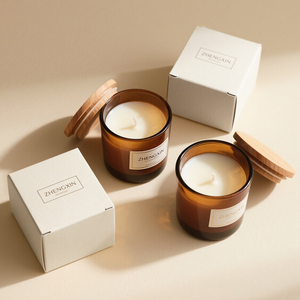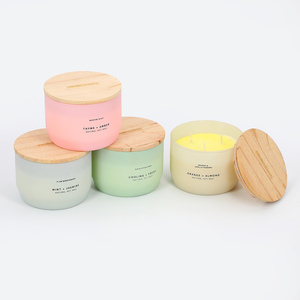
Direct-from-factory catalog items featuring premium soy formulations, smokeless wick engineering, and bespoke luxury packaging options for global brand partners.
An in-depth whitepaper analysis on material science, regulatory compliance, and procurement strategies for B2B importers, luxury retailers, and private label brands.
Information Gain Key Insight: Professional candle sourcing is shifting away from simple unit-cost negotiation toward polymer-wax integration metrics, precise wick hydrodynamics, and strict REACH/CLP compliance. China’s premier candle manufacturers now operate fully automated, climate-controlled pouring lines capable of maintaining a ±0.5g fill accuracy and zero-frosting surface aesthetics across multi-ton runs.
Understanding the balance between cold throw, hot throw, structural integrity, and burn cleanlines.
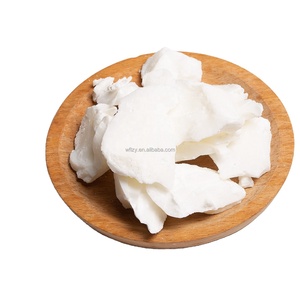
Modern commercial procurement prioritizes 100% natural hydrogenated soybean oil blended with coconut or palm wax. Botanical formulations eliminate petroleum-based paraffin soot while lowering melt points to 48°C–54°C, creating a luxurious melt pool that maximizes olfactory diffusion without cavern tunneling.
Integrating high fragrance concentrations (8% to 12% by weight) without chemical syneresis (oil sweating) requires specialized microcrystalline binders and precise pouring temperatures (62°C ± 2°C). High-end OEM suppliers utilize IFRA 51st Amendment compliant synthetic and essential oil blends.
Wick geometry directly dictates flame height, rate of consumption (ROC), and carbon mushrooming. Top Chinese suppliers offer unbleached flat-braided cotton wicks interwoven with paper threads or FSC-certified natural wooden wicks engineered for crackling acoustics and clean oxygen consumption.
| Wax Base Type | Melting Point Range | Fragrance Load Capacity | Soot Generation | Primary Commercial Use Case |
|---|---|---|---|---|
| 100% Pure Soy Wax | 45°C – 52°C | 6% – 10% | Ultra-Low (Non-Toxic) | Eco-luxury boutique retail, wellness spas |
| Coconut-Soy Hybrid | 40°C – 48°C | 10% – 12% | Negligible | High-end aromatherapy, luxury glass jars |
| Refined Mineral Wax | 56°C – 65°C | 8% – 12% | Controlled (If calibrated) | Complex carved shapes, pillar candles, votives |
| Microcrystalline Blend | 60°C – 75°C | 4% – 8% | Low | Structural binding, outer shell hardening |
Key market shifts driving candle manufacturing technologies, eco-design regulations, and consumer purchasing intent.
Regulatory frameworks across Europe (EU REACH) and North America are tightening restrictions on petroleum derivatives in home scent products. Importers are rapidly shifting orders to renewable soybean, rapeseed, and beeswax substrates accompanied by life-cycle carbon tracking documentation.
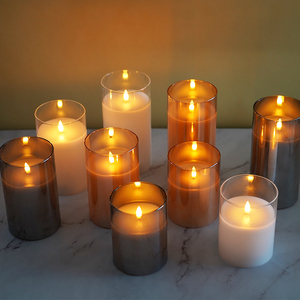
The boundary between traditional decorative candles and consumer electronics continues to blur. High-density paraffin/soy pillar shells embedded with 3D moving-magnetic LED flames, remote timing chips, and rechargeable lithium-ion bases are experiencing over 22% CAGR in hospitality and commercial venues.
B2B buyers are demanding reusable vessels—ranging from heavy-weight matte ceramic jars, mouth-blown gradient glass, to electroplated rose-gold tins—paired with refillable wax pod systems that reduce international shipping weights by up to 40%.
How leading Chinese manufacturers guarantee batch-to-batch excellence and international safety compliance.
Every production batch undergoes strict burn-cycle testing in standardized chamber conditions (21°C, zero draft). Parameters monitored include flame stability, soot index per EN 15426, self-extinguishing safety limits, and container wall surface temperature peak thresholds.
Full support for IFRA Conformity Certificates, Safety Data Sheets (SDS / MSDS) under GHS standards, and European CLP (Classification, Labelling and Packaging) regulations, including allergen chemical mapping for seamless customs clearance.
To prevent melting during tropical sea freight transit or container sweating in winter routes, finished candles undergo high-temperature static oven exposure (55°C for 72 hours) and ISTA-certified drop/vibration testing.
Direct answers to critical sourcing, production, regulatory, and logistics queries from enterprise buyers.
Standard OEM production for custom glass vessels or specific color spray finishes typically starts at 1,000 to 3,000 units per fragrance/vessel size. For stock glass formats using custom printed boxes or labels, MOQs can be as low as 500 units.
Sinkholes and frosting (crystal formation on soy wax tops) are eliminated using precise multi-stage cooling tunnels with controlled humidity, automated two-stage pouring systems, and proprietary botanical micro-additive blends that stabilize phase transitions during solidification.
Yes. In-house perfumers utilize Gas Chromatography-Mass Spectrometry (GC-MS) analysis to reverse-engineer target olfactory notes, reconstructing top, heart, and base notes while ensuring 100% compliance with IFRA safety limits and non-infringement standards.
For North America, compliance with ASTM F2417 (Standard Specification for Fire Safety for Candles) and ASTM F2601 is essential. For the European Union, products must comply with EN 15493 (Fire Safety), EN 15426 (Sooting Behavior), EN 17133 (Child Safety), and REACH/CLP labeling regulations.
Custom scent and vessel sampling takes 7 to 12 working days. Upon sample approval and deposit confirmation, mass production generally requires 25 to 35 days, depending on container custom molding complexity and order volume.
Finished goods are hermetically sealed using silicone-gasket lids, vacuum foil shrink-wrapping, or moisture-barrier master cartons containing desiccants, shielding the volatile essential oils from humidity fluctuations and high ambient sea-container temperatures.
Partner directly with China's leading OEM/ODM candle manufacturer. Receive technical formulation support, custom mold engineering, and instant wholesale quotation within 24 hours.
Inquire Now