Global OEM/ODM Engineering Whitepaper & Luxury Vessel Procurement Guide
Featured Engineering Vessels & Containers
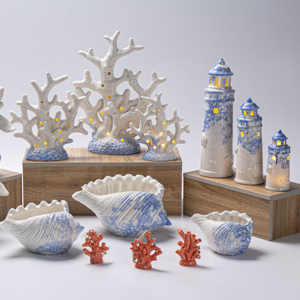
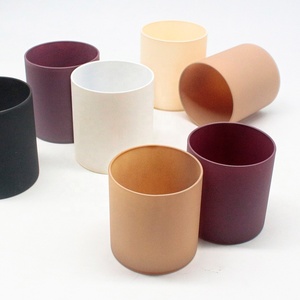
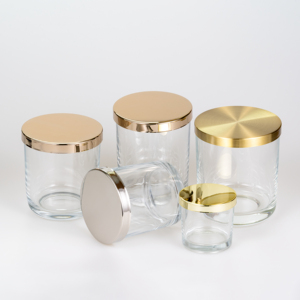
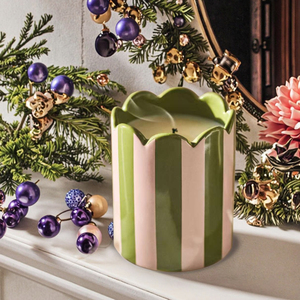
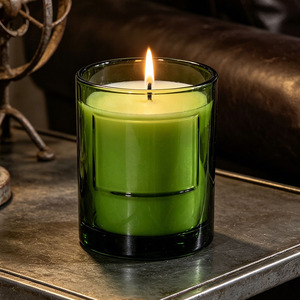
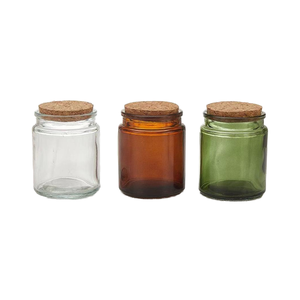
Explore our certified export series engineered specifically for luxury home fragrance brands, boutique retailers, and global private-label partners. Every vessel undergoes rigorous thermal shock validation and stress testing to maintain zero-crack reliability across diverse soy, paraffin, and mineral wax matrixes.
Executive Industry Whitepaper: The Technical Blueprint for Global Candle Vessel Procurement
In the rapidly evolving luxury home fragrance landscape, selecting the ideal China candle vessels manufacturers and exporter is no longer merely a purchasing decision; it is a vital engineering alignment. As candle formulations shift away from paraffin toward complex soy, coconut, beeswax, and botanical hybrid matrices, container design must satisfy strict thermodynamic criteria. A vessel must serve both as a protective, flame-safe container and as an elevated design accent that reinforces brand equity.
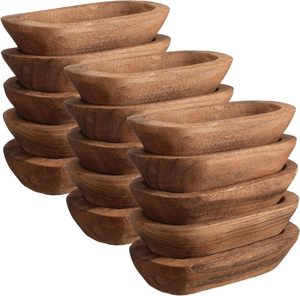
This comprehensive B2B industry whitepaper explores the material physics, regulatory mandates, manufacturing innovation, and supply chain logistics required to procure high-performance candle containers at scale. Whether designing mouth-blown glass apothecary jars, press-molded heavy-base tumblers, vitrified ceramic pots, or fire-treated wooden dough bowls, world-class manufacturing partners must strictly adhere to International Safety Standards including ASTM F2179-20 (Annealed Soda-Lime-Silicate Glass Containers) and European Standard EN 15493.
Table 1.1: Technical Comparison Matrix of Vessel Substrates
Thermodynamic Physics & Annealing Protocols in Vessel Manufacturing
The most critical failure point in luxury candle packaging is thermal shock fracturing. When a multi-wick candle burns down to its lower third, localized temperatures at the internal vessel floor can spike rapidly above 140°C while ambient room temperature remains at 20°C. This sharp temperature gradient creates severe tensile stress within the glass wall. If the container possesses residual internal stress from improper cooling during forming, catastrophic glass cracking or bottom blow-outs occur.
Leading Chinese export manufacturers implement computerized continuous annealing lehrs. Following initial hot-end forming (whether mouth-blown or machine-pressed), vessels undergo controlled heat cycles through specific temperature zones:
1. Soak & Stress Relief
Vessels are reheated to the annealing point (approx. 540°C–560°C for soda-lime glass) to relax internal strain patterns without deforming the vessel geometry.
2. Slow Strain Cooling
The container moves through a extended cooling ramp at precisely controlled speeds (1.5°C to 2°C per minute) down past the strain point (approx. 480°C).
Enterprise Capabilities: Why Global Brands Partner with China OEM Exporters
China’s industrial supply chain infrastructure for candle containers offers unequaled synergy between precision engineering, artisanal finishing techniques, and competitive scale economies. Global home fragrance houses—spanning North America, Europe, Australia, and the Middle East—rely on integrated Chinese production hubs for end-to-end bespoke packaging development.
Custom Mold Tooling
Advanced CNC steel mold crafting allows custom vessel shape development within 15–20 days, supporting specialized thick-bottom aura designs and unique geometric contours.
Strategic procurement executives must anticipate shift patterns across eco-consciousness, consumer habits, and visual merchandising. Over the next five years, the global candle vessel market will be defined by three key macro-trends:
1. Post-Consumer Recycled (PCR) Glass Formulations: Brands are demanding higher PCR percentages in raw cullet batches (up to 40-50% PCR content) without sacrificing optical clarity or structural integrity. Eco-conscious consumers actively favor containers with raw, slightly rustic tint variations that signal sustainable origin.
2. Modular & Reusable Architecture: Modern vessel design focuses heavily on life after the burn. Vessels are engineered with standard internal dimensions that fit refillable wax pods or dual-purpose home decor (such as luxury cosmetic jars, planters, or stationery holders). This shift requires absolute internal wall verticality tolerances (±0.2mm) to ensure drop-in wax refill cartridges slide in smoothly.
3. Tactile Multi-Sensory Finishes: High-gloss smooth surfaces are increasingly giving way to tactile, sensory-rich textures. Soft-touch matte frosting, raw unglazed stoneware bases paired with reactive glazed interiors, and deep relief ocean or botanical patterns are capturing premium shelf placement.
Frequently Asked Questions (B2B Procurement FAQ)
Find expert answers regarding safety standards, quality control, minimum order quantities (MOQ), and shipping specifications for commercial candle jar imports.
What quality standards ensure candle glass jars do not shatter during burning?
Professional exporters adhere strictly to ASTM F2179-20 safety protocols. This standard mandates that glass containers undergo thermal shock testing with a temperature delta (ΔT) resistance of at least 42°C without breaking, alongside polariscopic strain gauge testing to verify that residual mechanical tension from molding has been completely eliminated.
Can custom color sprays and electroplating affect fragrance performance or wax adhesion?
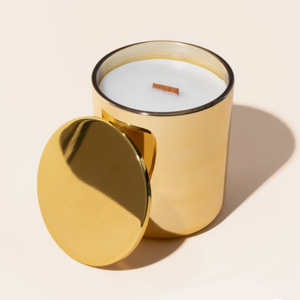
Internal surface coatings must be completely chemical-resistant to fragrance oils and essential oil solvents. Reliable manufacturers apply organic, food-safe, water-based inner lacquers or utilize external-only spray applications to prevent volatile chemical leaching into hot soy wax pools, ensuring fragrance cold and hot throw remains unaffected.
What are the typical Minimum Order Quantities (MOQs) for custom vessel production?
For standard stock clear or amber glass vessels with basic logo printing, MOQs start as low as 1,000–3,000 units. For fully customized mouth-blown glass shapes, heavy-base Aura vessels, or custom ceramic glaze molds, standard production MOQs range from 3,000 to 5,000 units per colorway to optimize machine mold setup efficiency.
How do wooden candle bowls comply with international fire safety regulations?
Artisanal wooden dough bowls and hand-carved containers receive internal flame-retardant barrier seals and non-porous resin liners. This engineering layer prevents raw fragrance oil penetration into the wood fibers while protecting against flame ignition when the candle burn reaches the vessel floor.
What is the lead time for custom mold prototyping and mass export shipping?
3D digital CAD designs are completed within 48 hours. Physical sampling molds take 10 to 14 days, followed by sample delivery for wax pour testing. Upon sample sign-off, mass production requires 25 to 30 days, with sea freight ocean shipping taking 18 to 35 days depending on destination ports.
Are export containers compliant with California Proposition 65 & REACH?
Yes. All raw glass materials, metallic glazes, electroplating paints, and screen printing inks are certified 100% lead-free, cadmium-free, and phthalate-free, fully complying with US California Proposition 65 and EU REACH SVHC requirements.
How are fragile thin-wall glass or heavy ceramic containers packed for sea freight export?
Products are packed using export-grade 5-ply corrugated outer master cartons, internal drop-tested grid partitions, custom EVA foam cradles, and full pallet shrink-wrapping with edge protectors. ISTA 3A transit drop tests ensure breakage rates remain under 0.5% globally.
Partner with China's Premier Candle Vessel OEM/ODM Manufacturer
Accelerate your luxury candle brand’s expansion with custom tooling, certified thermal safety engineering, and competitive direct factory pricing. Connect with our senior packaging engineering team today for technical consultation, free sample kits, and instant quotation.