Export-Grade Soy Wax & Luxury Candle Formulations
Engineered for low soot, high fragrance retention, and superior container adhesion under Japan's climate conditions.
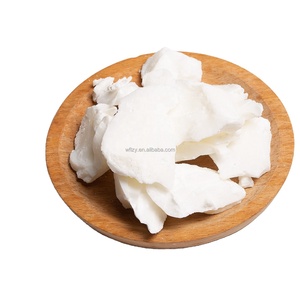
Wholesale Natural Candle Wax Soy Bulk DIY Scented Soy Wax Raw Material Soft Block
- Melting Point: 48°C - 52°C
- Oil Load: up to 10%
- Origin: 100% Non-GMO Soy
Inquire Now
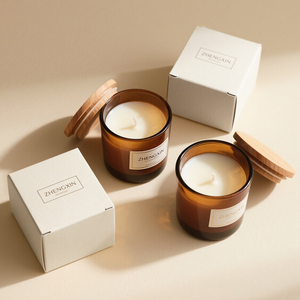
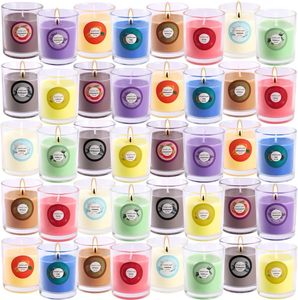
Wholesale Home Fragrance 130g Glass Jar Luxury Scented Soy Wax Candles
- Burn Time: 30 - 35 Hours
- Container: High-Silica Glass
- Compliance: IFRA / CLP Compliant
Inquire Now
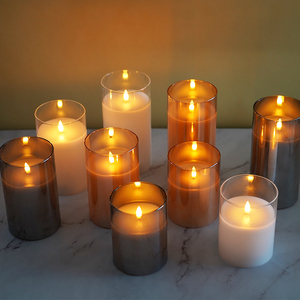
Operated Flameless Candles Bulk Real Wax Battery Operated Pillar Candle Sets
- Shell Material: 100% Paraffin-Free Wax
- Feature: Ambient LED Flicker
- Market: Hotel & Hospitality
Inquire Now
Factory Hot Sales Handmade Scented Black Rose Artisan Soy Candle
- Craft: Hand-Poured Sculptural
- Scent Profile: Botanical Black Rose
- Finish: Matte Velvet Texture
Inquire Now
Eco Friendly Soy Wax Candles Bulk for Sustainable Home Living
- Wick Type: Unbleached Cotton
- Eco-Cert: Zero Paraffin / Vegan
- Packaging: FSC Recyclable Carton
Inquire Now
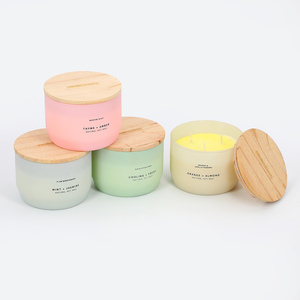
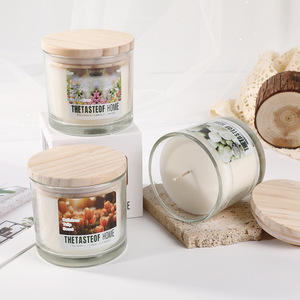
Custom Wood Lid Glass Jar Scented Candles Wholesale Aromatherapy Sets
- Lid Options: Natural Japanese Beech/Oak
- Wax Base: Soy-Botanical Matrix
- OEM MOQ: 500 Units per Scent
Inquire Now
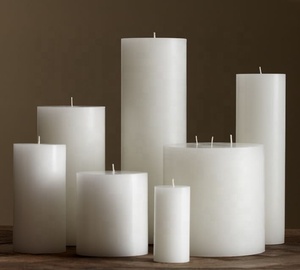
18 Inch Contemporary Taper Custom Luxury Soy Wax Scented Candles
- Format: Dripless Tall Pillar/Taper
- Hardness: High-Melt (60°C - 62°C)
- Application: Event / Luxury Dining
Inquire Now
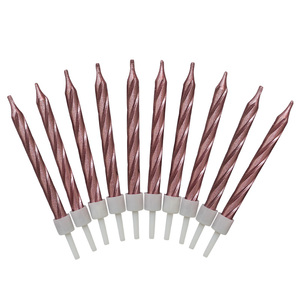
Wholesale Bulk High Quality Rose Gold Spiral Eco-Friendly Cake Candles
- Certification: Food Contact Safe Coating
- Smoke Level: Ultra-Low Emission
- Packaging: Blister Card / Custom Box
Inquire Now
100%
Plant-Based Hydrogenated Soy Matrix
0%
Paraffin, Benzene & Lead Contaminants
10-12%
Max Fragrance Oil Load Stability
ISO9001
Certified Manufacturing Facilities
Technical White Paper: Engineering Botanical Soy Wax for Tokyo's Luxury Segment
The Greater Tokyo metropolitan market represents one of the most discerning luxury fragrance sectors globally. Consumers in high-density districts such as Ginza, Omotesando, Roppongi, and Minato Ward prioritize clean-burning aesthetics, zero toxic emissions, subtle ambient fragrance throw, and impeccable surface finishes. For brand owners, commercial candle pourers, and OEM/ODM private label importers supplying the Japanese market, sourcing raw soy wax requires precise thermal and molecular engineering. Standard raw soy waxes frequently suffer from surface frosting, polymorph crystallization during humidity shifts, container glass pull-away, and uneven fragrance distribution.
As a dedicated primary soy wax factory and global exporter specializing in East Asian logistics, our R&D laboratory has tailored specific hydro-refined botanical wax matrices designed to meet the rigorous physical and environmental demands of Japanese retail outlets and residential environments. By regulating the ratio of triglyceride saturated fatty acids (specifically stearic and palmitic acid fractions), we achieve optimized molecular crystallization, ensuring smooth tops, minimal soot production, and flawless cold/hot scent throw across diverse container geometry.
Polymorphism Control & Temperature Stability in Tokyo's Seasonal Climate
Tokyo experiences sharp seasonal humidity and temperature fluctuations, ranging from hot, humid summers (35°C, 80%+ RH) to dry, chilly winters (2°C, 30% RH). Traditional soy wax formulations often exhibit physical degradation under these conditions—developing white crystalline structures on the surface (frosting) or liquefying during transit through regional logistics hubs such as the Yokohama Port.
Our factory utilizes multi-stage selective hydrogenation, adjusting the iodine value (IV) of our raw soybean oil within tight tolerances (IV 48 to 52 for container blends; IV 14 to 18 for pillar blends). This process stabilizes the lipid crystal lattice in the stable β′ (beta-prime) polymorphic phase, preventing conversion to the coarse β phase that causes rough surfaces and aesthetic defects in retail glass jars.
Engineered triglycerides prevent polymorphism and frosting, ensuring a smooth, glossy top surface even after repeated melt-cool cycles in air-conditioned Japanese apartments.
Formulated with controlled linear shrinkage coefficients (0.8% - 1.2%), guaranteeing complete glass contact without unsightly wet spots or detachment during oceanic transport.
Intermolecular pore structures retain up to 10-12% essential oil or synthetic fragrance concentrate without surface oil sweating, exudation, or flashpoint degradation.
Fully compliant with Japan Ministry of Economy, Trade and Industry (METI) standards, CSCL regulations, non-toxic VOC emissions guidelines, and IFRA allergen transparency.
Localized Application Scenarios in the Greater Tokyo Area
The adoption of plant-based soy wax in Japan extends across diverse commercial sectors. Understanding these localized application scenarios enables brand buyers to select the exact melt profile and additives required for market success:
1. High-End Flagship Boutiques (Ginza & Omotesando)
Luxury retail stores in Ginza require bespoke scented candles that double as artistic interior objects. These products demand flawless aesthetic presentation—zero surface imperfections, clean monochromatic pigmentation (such as black rose or warm alabaster), and zero smoke during display burns. Our Soft Block Low-Melt Container Soy Wax provides an exceptionally smooth pool melt, delivering rapid room diffusion without producing airborne soot that could stain delicate retail interiors or luxury apparel.
2. Urban Wellness Spas & Onsen Resorts (Roppongi, Akasaka & Hakone)
Tokyo's premier day spas and nearby Hakone hot spring retreats prioritize non-toxic indoor air quality. Traditional paraffin candles release trace petroleum hydrocarbons (toluene and benzene), which run counter to holistic wellness philosophies. Our 100% natural soy wax burns completely clean, producing soot-free combustion when paired with unbleached cotton or natural cherry wood wicks. Spas utilize our custom fragrance-ready soy blocks blended with Hinoki (Japanese Cypress), Yuzu, and Sandalwood essential oils for therapeutic aromatherapy massage rooms.
3. Compact Living & Urban Luxury Apartments (Shibuya, Shinjuku & Bay Area)
Living spaces in metropolitan Tokyo are modern, highly insulated, and compact. High fragrance throw in small spaces can easily become overwhelming if not carefully calibrated. Formulating with our hydro-treated soy wax allows controlled scent release—providing a steady, nuanced scent throw that gently fills an apartment without triggering chemical sensitivities or lingering heavy smoke.
Comparative Technical Performance: Soy Wax vs. Alternative Candle Waxes
To assist Japanese procurement managers and product developers in material selection, the matrix below details the chemical and performance distinctions between our hydro-refined soy wax and alternative commercial waxes available in the Asian market:
| Performance Metric |
Factory Hydro-Soy Wax (Container Blend) |
Standard Paraffin Wax (Refined 135F) |
Commercial Palm Wax Blend |
| Raw Material Origin |
100% Non-GMO Soybean Lipid Matrix |
Petroleum Distillate Sub-product |
Palm Fruit Lipid Ester |
| Combustion Soot Level |
Ultra-Low (Non-Detectable Smoke) |
High (Carbon Black Particulates) |
Moderate (Requires Fine Wick Tuning) |
| Max Fragrance Oil Load |
10% - 12% by Weight |
6% - 8% by Weight |
7% - 9% by Weight |
| Melting Point Range |
48°C - 52°C (Customizable) |
56°C - 60°C |
54°C - 58°C |
| Container Glass Adhesion |
Superior (0.8% Linear Shrinkage) |
Poor (High Shrinkage, Wet Spots) |
Moderate (Crystal Stress Lines) |
| Biodegradability |
100% Rapidly Biodegradable |
Non-Biodegradable (Petroleum derived) |
100% Biodegradable |
| Burn Speed / Pool Temp |
Slow Burn / Low Pool Temperature |
Fast Burn / Elevated Temperature |
Moderate Burn Speed |
Tokyo Home Fragrance Trends & Regulatory Compliance
Navigating the Japanese import landscape requires absolute transparency regarding chemical composition and environmental credentials. Japanese buyers strictly inspect cargo documentation prior to customs clearance at Tokyo (Port Code: JP TYO) or Yokohama (Port Code: JP YOK).
Key Market Dynamics Driving Soy Wax Adoption in Japan:
1. Shift Toward Eco-Luxury & Vegan Standards: Consumers under 40 in Japan are actively seeking sustainable lifestyle choices. Brand narratives centered on cruelty-free, zero-paraffin, and plant-based sourcing convert significantly higher on platforms like Rakuten, Amazon Japan, and in department stores like Isetan and Takashimaya.
2. Clean Air Certification & Zero VOC Focus: Indoor air quality concerns have escalated the demand for candles that emit zero volatile organic compounds, formaldehyde, or phthalates during combustion. Our wax batches undergo rigorous Gas Chromatography-Mass Spectrometry (GC-MS) testing to confirm the absolute absence of heavy metals, pesticide residues, and mineral oil hydrocarbons.
3. Custom Wooden Lid Jar Aesthetic: Matte glass containers featuring minimalist typography and natural timber closures (such as Japanese white oak or walnut) dominate the current Tokyo interior design market. These container styles require a wax with low shrinkage and flat surface setting characteristics to prevent gap formation beneath the wood lid—a performance benchmark achieved by our specialized container wax series.
Factory OEM/ODM Capabilities & Logistics Infrastructure for Japan
Operating as an integrated primary manufacturing facility, our enterprise bridges raw material refining and finished consumer goods production under one roof. Unlike trading intermediaries, we offer direct technical customization, OEM/ODM white-label manufacturing, and flexible batch sizing tailored to high-growth boutique brands as well as established corporate chains.
We modify lipid hydrogenation curves to create soft container blocks (48°C), tart/wax melt slabs (54°C), or rigid freestanding pillar waxes (60°C) depending on your target vessel design.
Every shipment is accompanied by Safety Data Sheets (SDS) translated into Japanese/English, Technical Data Sheets (TDS), Certificates of Analysis (COA), and IFRA Conformity Certificates.
Direct FCL (Full Container Load) and LCL (Less than Container Load) shipping routes with moisture-barrier palletizing, heat-shield wrapping, and priority customs clearance support.
From vessel custom coloring, custom wood lid laser engraving, scented wax filling, to final barcoded retail gift box packing—our atelier handles complete end-to-end production.
Frequently Asked Questions for Tokyo Importers & Brand Owners
What is the recommended pouring temperature for your soft block soy wax in container jars?
We recommend heating the raw soy wax to 75°C - 80°C to ensure full crystal melt. Add fragrance oil at 65°C - 70°C and mix gently for 2 minutes. Pour into pre-warmed ambient containers (20°C - 25°C) at approximately 50°C - 55°C. Cooling slowly at controlled room temperature prevents surface sinkholes and frosting.
How does your factory prevent soy wax frosting during ocean transit to Japan?
Our export-grade wax utilizes molecular crystal modifiers and controlled hydro-refining that locks the lipid network into the stable β′ phase. Furthermore, export shipments to Japan are wrapped in thermal insulated foil barriers and palletized with desiccant packs to insulate cargo against thermal spikes inside sea containers.
Are your soy waxes compliant with Japanese chemical safety and import regulations?
Yes. Our soy wax consists of 100% hydrogenated soybean oil (CAS No. 8016-70-4), which is non-hazardous under the Japan CSCL (Chemical Substances Control Law). Full Safety Data Sheets (SDS) in accordance with JIS Z 7253 (GHS format) are provided with every export batch.
Can we order custom fragrance-blended wax slabs or finished private-label candles?
Absolutely. We offer two business pathways: bulk supply of raw soy wax blocks for local Japanese pourers, or complete turn-key OEM candle manufacturing. For OEM orders, you can select vessel shapes, lid materials, custom fragrance oil profiles, and retail packaging.
What are your Minimum Order Quantities (MOQs) for raw wax bulk orders vs. OEM custom candles?
For raw soy wax bulk blocks/flakes, our standard MOQ is 1 metric ton (palletized). For private label custom container candle poured orders, our MOQ starts at 500 units per vessel/scent variant. Sample kits and trial batches are available upon request.
How long does shipping take from your facility to the Port of Tokyo or Yokohama?
Direct ocean transit to Tokyo/Yokohama port typically takes 10 to 14 days following vessel departure. Order lead time for raw wax manufacturing is 7 working days, while custom OEM candle production requires 15 to 25 days depending on packaging complexity.
Partner with a Premier Soy Wax Manufacturer for Japan
Request technical datasheets, request custom formulation samples, or discuss bulk container pricing for the Tokyo market directly with our chemical engineering team.
Inquire Now